How a CDM Consultant or Advisor Can Help You to Protect Your Project and Reputation.
The UK construction industry is one of the most complex and high-risk working environments, spanning major infrastructure schemes, commercial developments, and residential projects. To manage these risks effectively, the Construction (Design and Management) Regulations 2015 (CDM 2015) remain the cornerstone of construction health and safety legislation. These regulations provide a structured framework that safeguards not only those working on construction projects but also those who will maintain, use, and interact with the built asset for years to come.
A decade after the publication of CDM 2015, it continues to be strategically important because it compels clients, designers, contractors, and workers to embed health and safety into every stage of project delivery.
The CDM Regulations place responsibility for managing the health and safety of a construction project on three main duty holders.
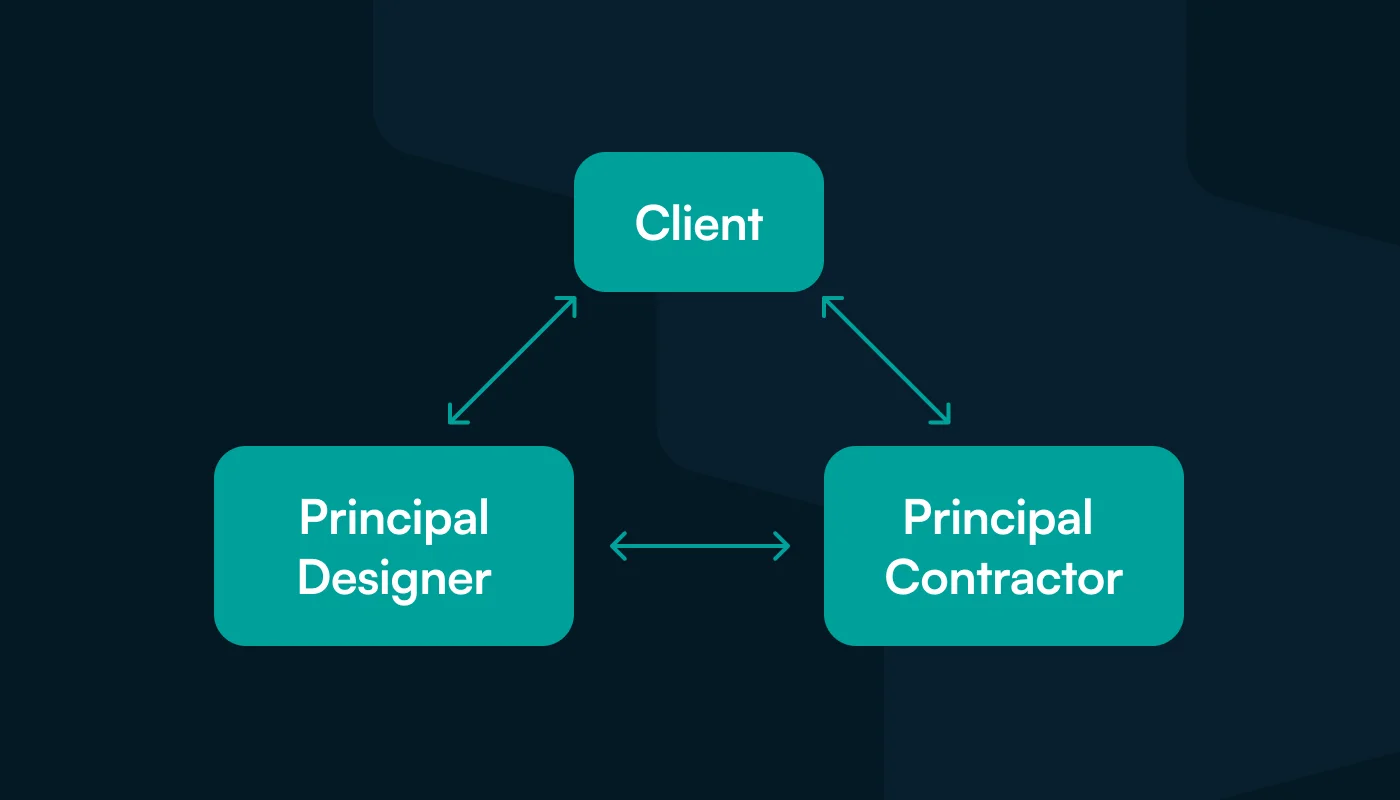
- The client ensures that the construction project is set up so that it is carried out from start to finish in a way that adequately controls the risks to the health and safety of those who may be affected.
- The principal designer manages health and safety in the pre-construction phase of a project. The role extends to the construction phase through the principal designer’s duties to liaise with the principal contractor and ongoing design work.
- The principal contractor manages the construction phase of a project. This involves liaising with the client and principal designer throughout the project, including during the pre-construction phase.
Far from being a box-ticking compliance exercise, effective application of CDM can reduce risk exposure, drive efficiency, and foster a culture of collaboration across the supply chain.
Why CDM 2015 Matters Strategically
At its core, CDM 2015 is about early risk management. By considering hazards during the design stage, project teams can eliminate or mitigate risks before they ever reach site. This proactive approach is far more effective than retrospective controls and has a direct impact on safety, cost, and programme certainty.
Some of the key strategic benefits include:
- Improved project planning and efficiency – By requiring designers and contractors to work collaboratively from the outset, CDM reduces duplication, miscommunication, and costly redesigns.
- Clear allocation of responsibilities – Each duty holder (Client, Principal Designer, Principal Contractor, Designers, and Workers) has defined legal responsibilities. This clarity reduces disputes and ensures accountability.
- Lifecycle risk management – CDM requires risks to be considered beyond the build phase, addressing maintenance, operation, and eventual decommissioning.
- Enhanced stakeholder confidence – Clients that can demonstrate strong CDM compliance signal professionalism, good governance, and integrity, which enhances their reputation.
Ultimately, CDM is not just about compliance with legislation. It is about embedding a culture of responsibility, ensuring that safety is prioritised, and supporting successful project outcomes.
The Value of Engaging a CDM Advisor
Despite the clear structure provided by CDM 2015, projects often benefit from independent expertise. Appointing a CDM Consultant ensures that legal requirements are met in full, while also aligning health and safety performance with commercial and operational goals.
A CDM Advisor offers more than advice on regulations; they act as a strategic partner in project delivery. Some of the key advantages include:
- Clarity of duty holder roles: Many clients and project teams are uncertain about where their responsibilities begin and end. Consultants provide the expertise to ensure duties are correctly defined and discharged.
- Proactive risk management: Consultants identify and mitigate risks early, often during design development, where changes are easier and cheaper to implement. For example, reducing work at height through design choices or specifying safer access routes for future maintenance.
- Enhanced communication: Consultants facilitate clear information flow between designers, contractors, and the client, ensuring that crucial safety information is not lost in complex project structures.
- Improved safety culture: By raising awareness, challenging poor practices, and embedding health and safety into project governance, consultants help drive cultural improvement across the project team.
Through these contributions, the role of the CDM Advisor extends beyond compliance they support safer, smarter, and more efficient delivery.
Understanding the Role of a CDM Advisor
In certain projects particularly high-risk environments such as rail, major infrastructure, or complex commercial developments, the CDM Advisor role can add real value. Acting on behalf of the Client or Principal Designer, the Advisor provides independent, expert guidance to ensure that duties are properly discharged.
The role of a CDM Advisor typically involves:
- Supporting informed decision-making: Advising clients on the health and safety implications of design and procurement choices from the earliest project stages.
- Identifying and mitigating foreseeable risks: Reviewing design information to highlight hazards and propose safer alternatives before construction begins.
- Ensuring duty holders understand their responsibilities: Helping Clients, Designers, and Contractors interpret and meet their obligations under CDM 2015.
- Facilitating coordination: Acting as a bridge between design teams, contractors, and other stakeholders to ensure consistent collaboration and information sharing.
- Enhancing overall project outcomes: Embedding health and safety strategy within project governance, which leads to reduced incidents, improved contractor performance, and more predictable delivery.
The distinction between a Consultant and an Advisor often lies in scope and focus. While a consultant may provide general CDM support, a CDM Advisor is often appointed directly by the Client to act as their assurance partner, ensuring their duties are discharged effectively and independently.
What You Need to Know When Selecting a CDM Consultant or Advisor
Engaging the right professional is a vital step in protecting both compliance and outcomes. Under CDM 2015, Clients have a legal obligation to ensure those they appoint are competent and capable. When selecting a CDM Consultant or Advisor, consider the following criteria:
Proven expertise: Look for a demonstrable track record of delivering CDM services across multiple project types and sectors. Practical experience is just as important as academic knowledge.
Comprehensive services: The best consultants support the entire project lifecycle, from pre-construction risk assessments and design reviews to site inspections and preparation of the Health and Safety File.
Tailored approach: No two projects are identical. A good consultant will adapt their support to your specific context, risk profile, and Client objectives.
Professional independence: An effective Advisor must act in the Client’s best interests, providing impartial guidance without conflicts of interest.
Frequently Asked Questions About CDM
The Construction (Design and Management) Regulations 2015 (CDM 2015) set out legal requirements to ensure health, safety, and welfare throughout the lifecycle of a construction project, from concept and design to construction and ongoing maintenance. Compliance helps organisations reduce risk, prevent accidents, and improve project efficiency, while ensuring all duty holders understand their responsibilities.
CDM 2015 outlines clear responsibilities for clients, designers, principal contractors, and workers. Clients must appoint competent duty holders, provide necessary information, and ensure suitable management of projects. Designers and contractors have obligations to manage risks and collaborate effectively to maintain safety and compliance throughout the project lifecycle.
A CDM consultant provides independent, expert guidance to help organisations comply with CDM 2015 regulations. Key responsibilities include:
- Clarifying duty holder roles
- Identifying and mitigating risks early in the project
- Ensuring compliance with health and safety legislation
- Supporting project coordination and communication
- Enhancing overall project safety and efficiency
While some organisations manage compliance internally, engaging a specialist CDM consultant provides:
- Access to expert knowledge of CDM regulations and best practices
- Objective, independent advice
- Early identification of risks and inefficiencies
- Support for smoother project delivery and reduced likelihood of delays or incidents
- Assurance that duty holders’ responsibilities are clearly defined and met
When selecting a consultant, consider:
- Proven experience across similar project types and sectors
- Comprehensive services covering design, planning, site audits, and health and safety file management
- Tailored approach that aligns with your organisation’s objectives
- Professional independence to provide objective guidance
Engaging a CDM consultant early in the project lifecycle, ideally during concept or design planning ensures that health and safety considerations are embedded from the outset. Early involvement helps identify risks, reduce potential delays, and streamline collaboration among all duty holders.
Yes. A key part of a CDM consultant’s role is to facilitate clear communication between all stakeholders, ensuring that designers, contractors, and clients understand their responsibilities and work together effectively to achieve safe, compliant, and efficient project delivery.
No. CDM 2015 applies to all construction projects, regardless of size. While larger projects may involve more complex coordination, smaller projects can also benefit from a CDM consultant to ensure compliance, identify risks early, and avoid costly mistakes or delays.
The cost varies depending on project size, complexity, and scope of services required. While there is an investment involved, engaging a consultant can save money in the long run by reducing risks, avoiding regulatory fines, preventing delays, and improving project efficiency.
Yes. CDM consultants can assist with internal audits, health and safety inspections, and preparation for regulatory reviews. They help ensure that all documentation is complete, risk assessments are up to date, and duty holders are meeting their statutory obligations.
Beyond regulatory compliance, a CDM consultant:
- Improves overall project efficiency and coordination
- Reduces liabilities and potential delays
- Supports a proactive safety culture across the project team
- Provides strategic advice that aligns safety management with commercial and operational goals
Impact can be measured through:
- Reduced incidents, accidents, or near misses on-site
- Fewer design or construction delays due to early risk identification
- Clear documentation of compliance and duty holder responsibilities
- Improved collaboration and communication across project teams
Conclusion: CDM as a Strategic Enabler
The Construction (Design and Management) Regulations 2015 continue to be a cornerstone of construction health and safety, but their value goes far beyond compliance. They provide a framework for collaboration, accountability, and smarter risk management.
Although the role of a CDM Consultant is not a legal requirement. They act as an advisor, helping clients and duty holders to fulfil their CDM responsibilities. Appointing the right CDM Consultant ensures that these benefits are fully realised, protecting people, organisations, and outcomes. From clarifying duty holder roles to embedding safety into design and governance, their expertise enhances both compliance and performance.
Ready to Strengthen Your Project’s CDM Assurance?
Ensure your construction projects meet all CDM 2015 requirements while enhancing safety, efficiency, and collaboration across your team. Our experienced CDM consultants provide independent, practical guidance tailored to your project’s unique needs, helping you manage risks, clarify duty holder responsibilities, and achieve successful outcomes from design through to completion.
At Harcon Solutions, our specialist CDM consultancy and advisory services combine technical knowledge, independence, and integrity to safeguard projects across rail, commercial, and residential sectors. If you are seeking a trusted partner to strengthen your compliance and improve project outcomes, contact our team today.
