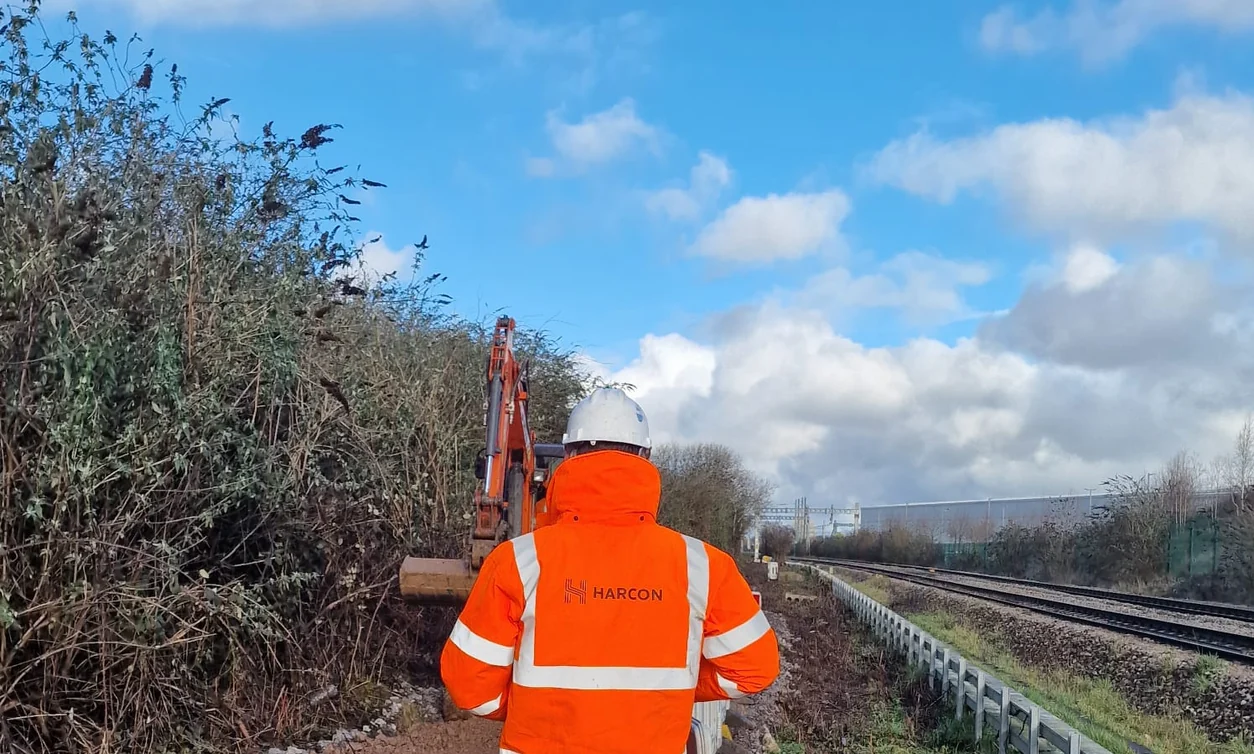
Where plant could foreseeably foul a railway line open to traffic, effective planning, clear responsibilities and reliable controls are essential. The ALO Coordinator provides dedicated site coordination and monitoring, confirming that the authorised arrangements are implemented and remain effective throughout the activity. Understanding the role’s responsibilities, competence requirements and limits of authority is fundamental to safe delivery.
Introduction
Working with construction plant alongside an operational railway requires careful planning, effective controls and clear responsibilities. Where plant, its attachments or its load could foreseeably foul a line that remains open to traffic, Any Line Open (ALO) arrangements need to be considered.
COP0032, Plant Any Line Open (ALO) Working, published by the M&EE Networking Group, provides the industry code of practice for managing these activities. It describes the planning, authorisation and site coordination responsibilities that support their safe delivery.
The ALO Coordinator has a central role in implementing those arrangements on site. Understanding the scope of that role, its competence requirements and the limits of its authority is essential for everyone involved in planning and delivering the works.
This article explains what that means in practice. For the wider context, our explainer on Any Line Open working sets out when ALO arrangements apply.
What makes work “ALO”
ALO working applies where plant, its attachments or its load could, without controls, foreseeably foul a railway line that remains open to traffic. The assessment considers the potential to encroach on the operational railway throughout the activity, including delivery, positioning, working, travelling and retrieval.
Fouling means entering the space occupied by passing trains, allowing for their movement. This is known as the kinematic envelope. The fouling point is the nearest vertical edge of the combined maximum kinematic envelope of the vehicles that may operate on the affected line. It needs to be established for the location, taking account of track geometry.
The assessment considers maximum reach, foreseeable human error and uncontrolled or inadvertent movement. Machine travel towards the railway, load swing, slew speed, counterweight movement, ground conditions and slopes towards the track can all affect whether fouling is foreseeable. A machine that remains clear during its intended operation may still present a fouling risk while manoeuvring into position.
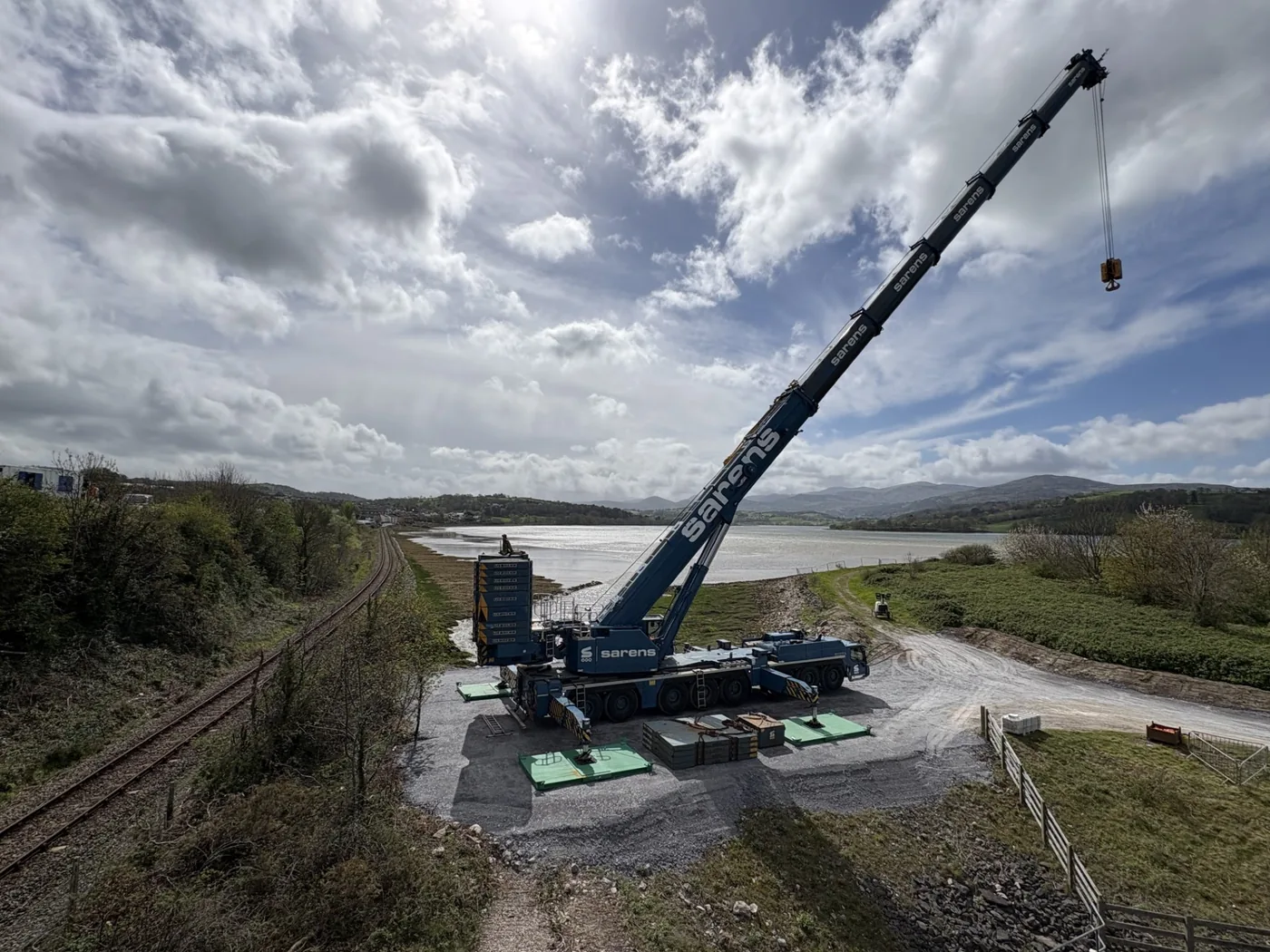
The 4m working distance is also significant. COP0032 distinguishes between working beyond and within 4m of the nearest rail running edge of an open line, considering the closest part of the plant, attachment or load. Working within 4m requires additional controls, such as a correctly configured and functioning high-performance movement limiting device, with load stabilisation where relevant, or a demonstrably effective physical means of preventing fouling. Specific provisions apply to rail-mounted plant on nominally straight track.
The 4m distance is a threshold for determining the required controls; it is not the fouling point or a blanket prohibition on closer working. The authorised arrangements must also maintain the required separation from the established fouling point.
For plant working inside the railway boundary alongside an open line, the starting position is to treat the activity as ALO unless a documented risk assessment demonstrates otherwise. That assessment should explain why the plant cannot foreseeably foul the open line and how uncontrolled or inadvertent movement is managed.
The central question is whether the plant, attachment or load could foreseeably foul an open line. Where it could, the planning process must first consider opportunities to eliminate that risk. Where ALO working remains necessary, appropriate controls, authorisation and site coordination need to be established before the activity proceeds. Our railway access planning work supports the assessment and planning of these interfaces.
ALO working is a last resort
ALO working should be considered through the principles of prevention. The first planning question is whether the risk associated with an open line can be eliminated.
This means considering whether the affected lines can be blocked, whether the activity can be retimed to suitable access, or whether different plant or a revised methodology would remove the potential to foul an open line. Dividing the works into activities that can each be protected by an appropriate line blockage may also provide an alternative.
Where ALO working remains necessary, the planning process needs to establish suitable controls and a clear basis for proceeding. Programme pressure should not displace that assessment.
The justification also needs to remain under review. Access opportunities can change as a project develops, and possessions or line blockages unavailable at tender stage may become available during detailed planning.
An early assumption that the works will be delivered under ALO arrangements should therefore be revisited as the design, methodology and project programme develop.
The ALO Coordinator within the Project Structure
Effective ALO arrangements depend on a clear allocation of planning, authorisation, site coordination responsibilities.
The ALO Planner develops the ALO Work Plan, taking account of the methodology, plant, site conditions and required controls. The plan is submitted for review and authorisation, with revisions controlled so that the site team receives the correct authorised version.
The ALO Responsible Manager reviews the proposed arrangements and determines whether the controls are adequate. This may result in approval, a requirement for additional controls, rejection or referral for further advice. Authorisation is recorded through a unique authorisation number before the plan is issued to site. The Responsible Manager also needs to be available to review and authorise changes, including outside normal working hours.
The ALO Champion provides an organisational lead on ALO matters and a route for additional guidance. Where further advice is required, the Champion can refer the matter to the infrastructure manager.
The ALO Coordinator provides a dedicated site coordination and monitoring function, focused on implementing the authorised ALO Work Plan and maintaining effective controls to protect the operational railway. The Coordinator should be identified during planning and understand the activity, site constraints and arrangements they will be responsible for implementing.
The role includes verifying that controls have been tested and correctly implemented, briefing relevant personnel, monitoring the arrangements throughout the activity and initiating change control where necessary. This provides assurance at the point of delivery that the authorised controls remain effective.
While ALO working is taking place, the Coordinator’s attention needs to remain on these responsibilities. The role should remain separate from other activities that could distract from, or compromise, effective coordination and monitoring. The Coordinator needs sufficient independence to challenge the arrangements and stop the affected activity where controls are ineffective or site conditions differ from the authorised plan.
The Coordinator’s function is distinct from that of the person supervising and directing plant movements, such as a Machine Controller, Crane Controller or banksman. Those responsibilities remain with the appropriately appointed individuals. Site coordination and monitoring also complement the separate management assurance arrangements used to assess the effectiveness of the wider ALO assurance process.
What the Coordinator is responsible for
The ALO Coordinator is responsible for coordinating the implementation, verification and monitoring of the authorised ALO Work Plan on site. This requires a clear understanding of the planned activity, the controls protecting the operational railway and the conditions on which those controls depend.
The Coordinator needs to hold the correct authorised version of the plan and be able to review and challenge its suitability for the activity. Before work starts, they confirm that the site conditions, plant, attachments, loads and proposed methodology match the authorised arrangements. Any discrepancy affecting those arrangements needs to be resolved before the affected activity proceeds.
Physical checks form an essential part of this responsibility. Relevant track intervals are verified using suitable measuring equipment, and the positions of barriers and markers are checked against the plan. The Coordinator confirms that the specified working limits and separation distances have been correctly established on site.
The Coordinator also verifies that the planned control systems have been tested and correctly implemented. For plant being placed on track, this includes testing in a safe area before on-tracking and checking again afterwards to confirm that machine orientation and system settings remain correct.
Machine position and orientation require particular attention where movement limiting devices form part of the controls. A change in chassis position or angle can alter the reach of the boom, attachment or load. The Coordinator needs to understand these dependencies and monitor whether the arrangements remain effective as the activity progresses.
Relevant personnel are briefed on the authorised ALO arrangements before work begins. The briefing covers working limits, control measures, individual responsibilities, communication arrangements and the action to take if conditions change. The Coordinator completes the site checklist and retains records of the briefings and checks undertaken.
The responsibility continues throughout ALO working. The Coordinator needs to remain on site and actively monitor the implemented controls, with their attention protected from competing duties that could compromise this function. Presence alone does not provide assurance that the arrangements remain effective.
Where site conditions change, a control becomes ineffective or the activity no longer matches the authorised plan, the Coordinator stops the affected work, ensures people and plant are placed in a position of safety and initiates the defined change control process. Revised arrangements require appropriate authorisation before personnel are re-briefed and work resumes.
Continuity between shifts is equally important. A change of Coordinator or workforce requires a further recorded briefing so that incoming personnel understand the current authorised arrangements, the controls in place and any changes already made.
What the Coordinator cannot do
The limits of the Coordinator’s authority need to be understood before work begins, particularly where site conditions differ from the authorised plan.
The Coordinator’s appointment does not confer authority to approve the ALO Work Plan or authorise a departure from it. Those decisions follow the designated management authorisation process.
Where a discrepancy affects the planned arrangements, the Coordinator stops the affected ALO activity, ensures people and plant are placed in a position of safety, and initiates change control. Revised arrangements need the appropriate assessment and authorisation before they are implemented.
The Coordinator should not accept substituted plant, altered working limits or changes to control systems simply because the revised activity appears similar to the original proposal. The implications need to be assessed against the authorised arrangements.
Likewise, a required control that is unavailable, ineffective or incorrectly configured cannot be treated as an administrative matter. The affected activity cannot proceed on the basis that the issue will be resolved later.
The appointment also does not permit the Coordinator to disregard the specified arrangements for securing movement limiting devices against unauthorised override.
The practical distinction is clear: the Coordinator implements and monitors the authorised controls, identifies concerns and initiates the response to change. Approval of revised arrangements remains with the designated competent management role.
The ALO Checklist as a Pre-start Control
The ALO Coordinator’s site checklist provides a structured check that the planned arrangements are ready for implementation.
It addresses whether the authorised plan has been received and understood, whether site conditions match it, whether controls have been tested, and whether the specified plant, attachments and movement limiting devices are present and correctly configured. It also records whether the Coordinator is satisfied that the activity can proceed safely.
An adverse answer needs to be resolved through the defined change control process before ALO working starts. Completing the checklist is therefore a decision about readiness to proceed, supported by physical checks and briefing.
Its value depends on the quality of those checks. A signature cannot compensate for an unverified distance, an untested limiter or a briefing that has not reached the people undertaking the activity.
The checklist and briefing also support continuity between shifts. Incoming personnel need to understand the current arrangements rather than rely on a record completed for an earlier workforce or different site conditions.
When something changes
Construction activities develop as work progresses. ALO planning needs to anticipate foreseeable changes and provide a clear process for managing them.
Examples include different plant arriving on site, a revised working location, changes to the methodology or a possession or line blockage becoming available later than planned. These circumstances can affect whether the authorised controls remain suitable.
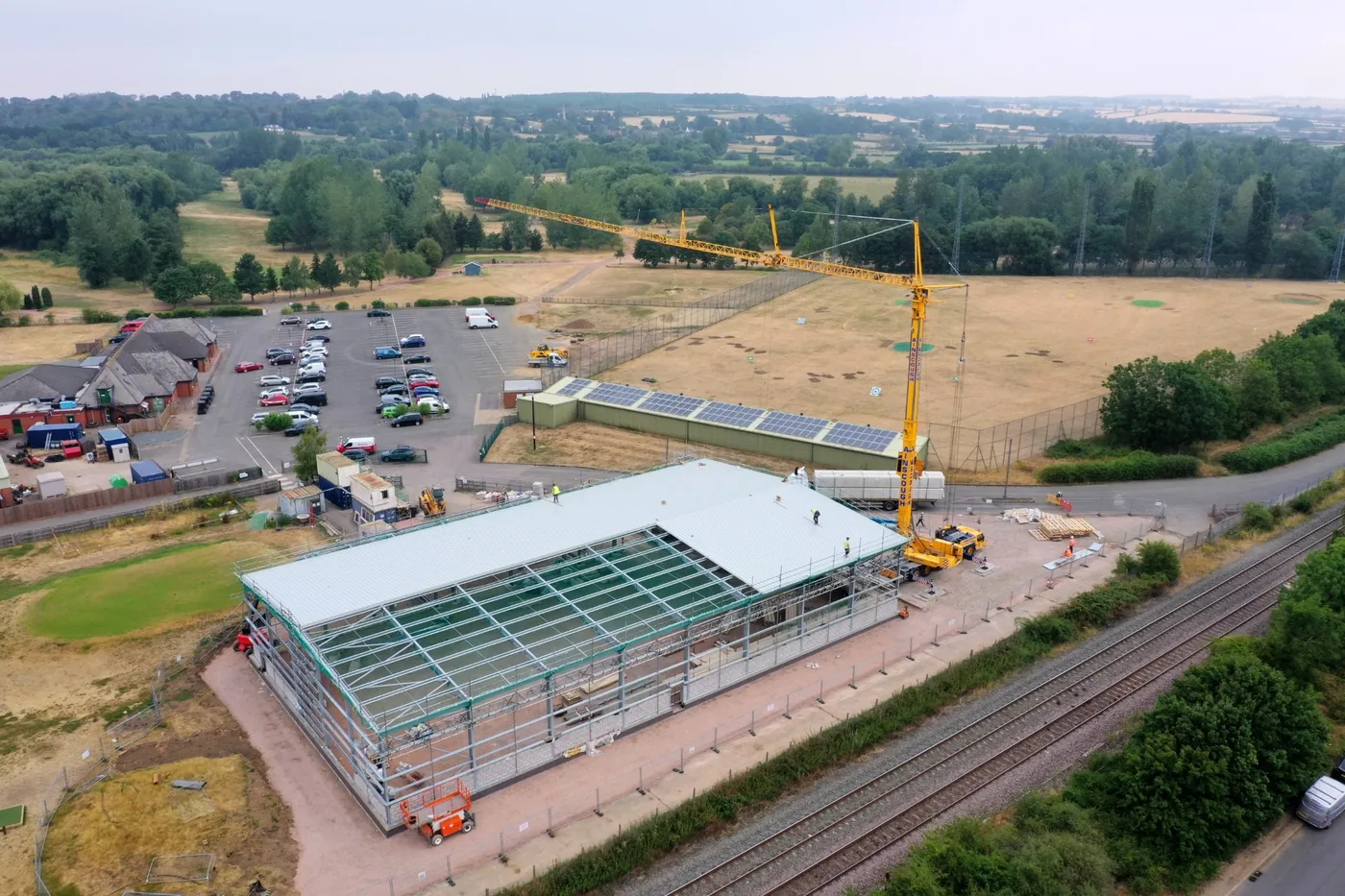
Where a change affects the ALO arrangements, the affected activity is stopped and people and plant are made safe. A documented assessment then establishes the implications and the controls needed for the revised activity.
The change record should clearly describe what is changing, why it is necessary, the proposed methodology, working limits and relevant distances to the open line. A diagram can help communicate the revised arrangement.
The proposed change is referred to the on-call ALO Responsible Manager through the designated authorisation process. The revised arrangements are agreed and recorded, including the unique authorisation number, before personnel are re-briefed.
The site checklist is then completed for the revised arrangements before work resumes. A change in programme or access does not justify accepting a lower standard of control.
Competence and capability
For ALO coordination on Network Rail managed infrastructure, the baseline role-specific competence is Sentinel OTP04 Control of Any Line Open. This competence needs to be current and verified before appointment, alongside the applicable track safety, medical and infrastructure access requirements.
Training provides the foundation, but the appointment also needs to reflect the individual’s practical knowledge, experience and capability to coordinate the proposed activity. Holding OTP04 does not, by itself, demonstrate suitability for every plant configuration, control system or working environment.
The Coordinator needs to understand the authorised ALO Work Plan, the capabilities and limitations of the plant, the working limits and the controls protecting the operational railway. They must be able to recognise when conditions have changed, challenge unsuitable arrangements and initiate change control when required.
COP0032 identifies technical, non-technical and functional skills as considerations when selecting individuals for ALO roles. Situational awareness, diligence, clear communication, sound decision making and workload management are essential to applying technical knowledge effectively on site.
Harcon generally appoints individuals who hold both OTP04 and Controller of Site Safety (COSS) competence. COSS provides additional knowledge of railway site safety arrangements, but it is a preferred additional competence rather than a fundamental requirement of the ALO Coordinator role, unless specified by the applicable project or appointment requirements.
Holding both competencies does not automatically mean the individual should undertake both functions simultaneously. The allocation of responsibilities must allow the Coordinator to maintain effective oversight of the ALO arrangements throughout the activity.
The appointment should therefore be supported by verified competence and evidence of relevant capability. The individual needs the knowledge, experience and confidence to confirm that controls are effective, identify departures from the authorised plan and stop the affected activity where necessary.
Common weaknesses in ALO planning and implementation
Effective ALO arrangements depend on robust planning, accurate site information and controls that remain suitable throughout delivery. Weaknesses can arise when assumptions are not reviewed, activities are omitted from the assessment or changes on site are not recognised and addressed.
During planning, an early decision to use ALO arrangements may remain unchallenged as the design, methodology and project programme develop. Opportunities to eliminate the interface risk through alternative plant, revised methods or additional railway access should remain under review.
The assessment may also overlook factors that affect the potential to foul an open line. Ground sloping towards the railway, load swing, counterweight movement and the ability of plant to move closer to the line can materially change the effectiveness of the proposed controls.
Delivery, collection, positioning and transit movements require particular attention. Controls suitable for the machine’s working position may not address the risks encountered while manoeuvring at a road rail access point, travelling to the worksite or passing through switches and crossings. Each stage needs to be considered within the planned arrangements.
During implementation, weaknesses can include substituted plant, incorrectly positioned barriers, inappropriate movement limiter settings or testing that does not reflect the intended operating conditions. Changes in machine position or orientation can also invalidate the assumptions on which the controls were selected.
Monitoring needs to remain active throughout ALO working. Competing duties, inadequate site coverage or ineffective handovers can reduce the Coordinator’s ability to identify a developing concern.
Change control also depends on effective management support. The designated person reviewing and authorising changes needs to be available, competent and familiar with the arrangements. A named contact in the plan is only effective if that person can be reached and can fulfil the required responsibility.
These weaknesses reinforce the importance of checking that the authorised plan reflects the activity being undertaken and that its controls remain effective. Where conditions change, the affected work needs to stop until the revised arrangements have been assessed, authorised and communicated.
How Harcon Can Support Your Project
Harcon provides Any Line Open planning, management, coordination and assurance services, supported by demonstrable competence and capability across multidisciplinary railway projects. We help clients establish suitable arrangements for their works, from early assessment of the railway interface through to implementation and monitoring on site.
Early involvement allows us to assess whether ALO working is necessary and identify opportunities to eliminate or reduce the risk through design, alternative methodologies, plant selection and railway access planning. Where ALO working remains necessary, we develop plans that address the activity, site conditions, plant capabilities and interfaces with other works.
Our support includes ALO determination assessment, ALO Work Plan preparation and review, Responsible Manager services and competent site coordination. We work with clients and delivery teams to establish clear responsibilities, effective authorisation routes and practical arrangements for managing change.
We also provide independent assurance of ALO arrangements, assessing whether the planned controls are suitable, correctly implemented and maintained throughout delivery. On multidisciplinary projects, this includes considering how activities, plant movements and changing site conditions interact across work areas and delivery teams.
Our wider railway industry assurance work sits around all of it, connecting ALO planning, management and assurance with the broader engineering, construction and operational requirements of the project.
Identify it early. Manage it properly. Assure it continuously.
Frequently asked questions about the ALO Coordinator role
What is Any Line Open working?
How Harcon supports: We assess the railway interface early and identify the planning and coordination arrangements needed for the proposed works.
What does an ALO Coordinator do?
How Harcon supports: We provide competent ALO coordination resource and support clients with the practical implementation of their planned arrangements.
Who authorises an ALO Work Plan?
How Harcon supports: We help clients establish the required review, authorisation and escalation arrangements, including support for appointed management roles.
What happens if site arrangements do not match the plan?
How Harcon supports: We help clients identify and assess changes and coordinate the response through the designated authorisation process.
What qualifications does an ALO Coordinator need?
The individual also needs practical knowledge, experience and capability appropriate to the plant, controls and activity. COP0032 identifies technical, non-technical and functional skills as considerations when selecting people for ALO roles.
Harcon generally appoints individuals who also hold Controller of Site Safety (COSS) competence. This is a preferred additional competence rather than a fundamental requirement of the ALO Coordinator role, unless specified by the applicable project or appointment requirements.
How Harcon supports: We help clients verify competence and assess the practical capability and suitability of proposed appointees for the specific works.
Is a possession always better than ALO working?
How Harcon supports: We assess access and methodology options early and help clients establish an appropriate basis for the delivery decision.
Can the same person plan, authorise and coordinate the work?
How Harcon supports: We help clients define role allocation, responsibilities and interfaces for the proposed delivery structure.